Kung Fu Travel · five styles
Five Kung Fu Styles in One Week: Inside a Hong Kong Training Trip
Training five Kung Fu styles in one week sounds ambitious. It can also sound confusing. How can a traveller move between Wing Chun, Hung Gar, Tai Chi, Chinese Wrestling and a secret fifth style without pretending to master five complete systems in seven days?
The five styles listed for the project
Project visual: Leo Chinese Kung Fu — Hong Kong Training Trip. Supplied by Master Leo Au-Yeung; approved project-use status is recorded in the website asset inventory. The answer is to treat the week as an intensive encounter, not a shortcut. The point is not to compress decades of practice into a holiday. It is to give a small group of martial-arts travellers a structured way to meet different teachers, notice different training questions and experience Hong Kong through practice. That is the structure of Master Leo Au-Yeung’s current Leo Chinese Kung Fu — Hong Kong Training Trip, planned for April 2027. The public offer describes seven days of Kung Fu, filming and hidden Hong Kong, with five different Kung Fu masters and places limited to 6–8 participants. The current project page names five styles: 1. Wing Chun 2. Hung Gar 3. Tai Chi 4. Chinese Wrestling 5. One secret style revealed on the trip The page does not publish a fixed lesson plan for each style. Final participating masters and day-by-day arrangements are confirmed with registered participants. That is important because a responsible article should describe the shape of the experience without inventing the order, duration or content of sessions. The style list is best understood as five doors into a broader Chinese martial-arts conversation. Each session can give a participant another way to think about body organisation, timing, coordination, contact, balance, rhythm or application. The lesson is not that all styles are the same. The lesson is that a serious student can observe difference without turning difference into a ranking.
Wing Chun: the project’s central thread
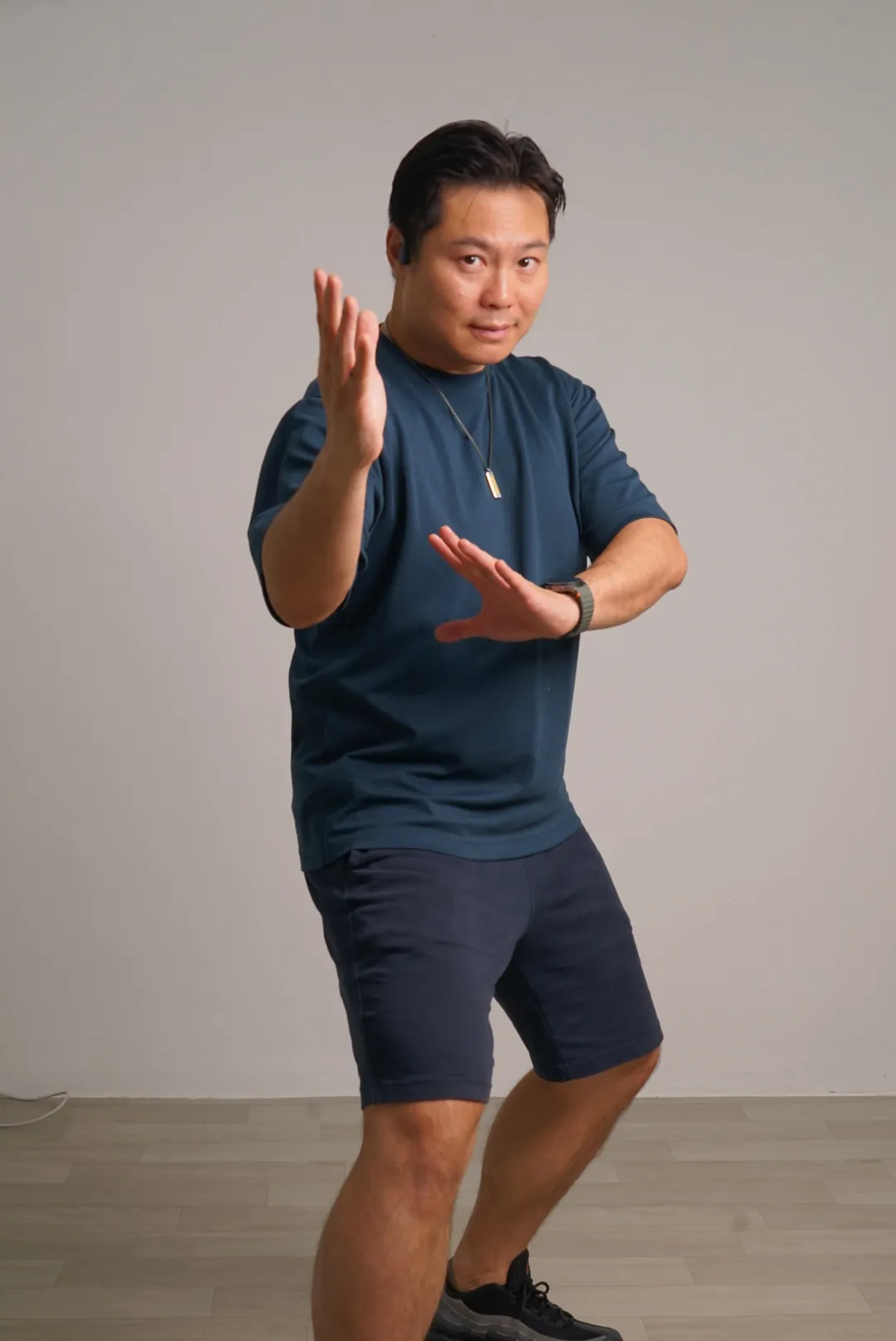
Wing Chun is the clearest anchor for the trip because Master Leo’s public training biography is rooted in Hong Kong Wing Chun. The official academy instructors page states that he learned Wing Chun directly from Grandmasters Ip Chun and Ip Ching in Hong Kong. It also describes his work as Head of School and Fight Choreographer. Master Leo Au-Yeung in a Wing Chun guard. Supplied studio archive; the image illustrates the project’s Wing Chun thread without claiming that a photograph proves mastery. The Hong Kong Tourism Board describes the city as having profound ties to traditional Chinese martial arts and currently lists a visitor-facing Wing Chun experience that combines a lesson with wider cultural exploration. That destination context helps explain why Wing Chun belongs at the centre of a Hong Kong training journey. But a photograph of a Wing Chun stance is not the same as a complete lesson. A participant should expect to listen to the instructor’s terminology, practise the movement given on the day and ask how it fits the wider training method. The value comes from attention and repetition, not from collecting a new technique for social media.
Hung Gar: meet a different training language
Hung Gar is listed as one of the five styles in the project. This article should not invent the name or background of the participating teacher before those details are confirmed. It can say that Hung Gar introduces a different training reference point from Wing Chun, then leave the specific curriculum to the session itself. That restraint is useful for the traveller. It encourages questions such as: A multi-style week becomes more meaningful when the visitor notices how teachers explain their own art rather than forcing every lesson into the vocabulary of the first style they know.
- What is the instructor asking us to coordinate?
- How is power or stability explained in this class?
- What should a newcomer practise slowly?
- Which parts of the session are foundational, and which are demonstrations?
Tai Chi: another way to observe control and rhythm
Tai Chi is also listed in the programme. The public offer does not promise a particular form, school or training sequence, so the final content must be confirmed directly. For an SEO article, the safe point is that Tai Chi adds another opportunity to study controlled movement, attention and rhythm within the week. The project should not present Tai Chi as a universal cure, a guaranteed health programme or an easy form of exercise. It is a martial-art tradition with different lineages and teaching approaches. The participant’s experience depends on the teacher, the session and the way the practice is introduced.
Chinese Wrestling: understand the range of the offer
Chinese Wrestling appears in the project’s style list alongside striking and internal practices. That makes the week deliberately broad. It signals that the organisers want participants to encounter more than one idea of what Chinese martial-arts training can involve. The same caution applies here: the article should not publish an invented ruleset, teacher name or technical syllabus. It can explain that a multi-style experience may expose students to different movement and contact problems, while the precise lesson is confirmed with the participating master. This distinction protects the reader from a common travel-marketing problem. A list of styles can sound impressive, but the real value depends on teaching quality, time, safety, context and the participant’s ability to pay attention.
The secret fifth style
The fifth style is intentionally described as a secret style revealed on the trip. That gives the project an element of anticipation, but it should not be used to create an unsupported mystery claim. The public wording is enough: one additional style will be revealed during the experience. Participants should wait for the organisers to explain the teacher, format, schedule and preparation requirements directly. The surprise can remain part of the project without the website inventing details to fill the gap.
How can five styles fit into seven days?
The week does not need to give every style equal hours to be valuable. A carefully planned programme might use sessions, demonstrations, conversations, filmed moments and location-based practice in different proportions. The final schedule is not yet published, so this article should not pretend to know the exact rhythm. A good participant can prepare in three ways: Do you want to understand how different teachers organise the body? Are you interested in how a movement becomes visible on camera? Do you want to compare how instructors introduce a beginner to contact, balance or timing? One question gives the week a thread. Write down the name of the session, the main correction, the exercise you were asked to repeat and the question you still have. A journal helps separate what a teacher actually said from your memory of the experience. A new style can feel exciting because the vocabulary and movement are unfamiliar. Novelty is not the same as depth. Take the time to repeat the simple material and notice how the teacher builds the session. That is often where the learning begins.
Why is filming included?
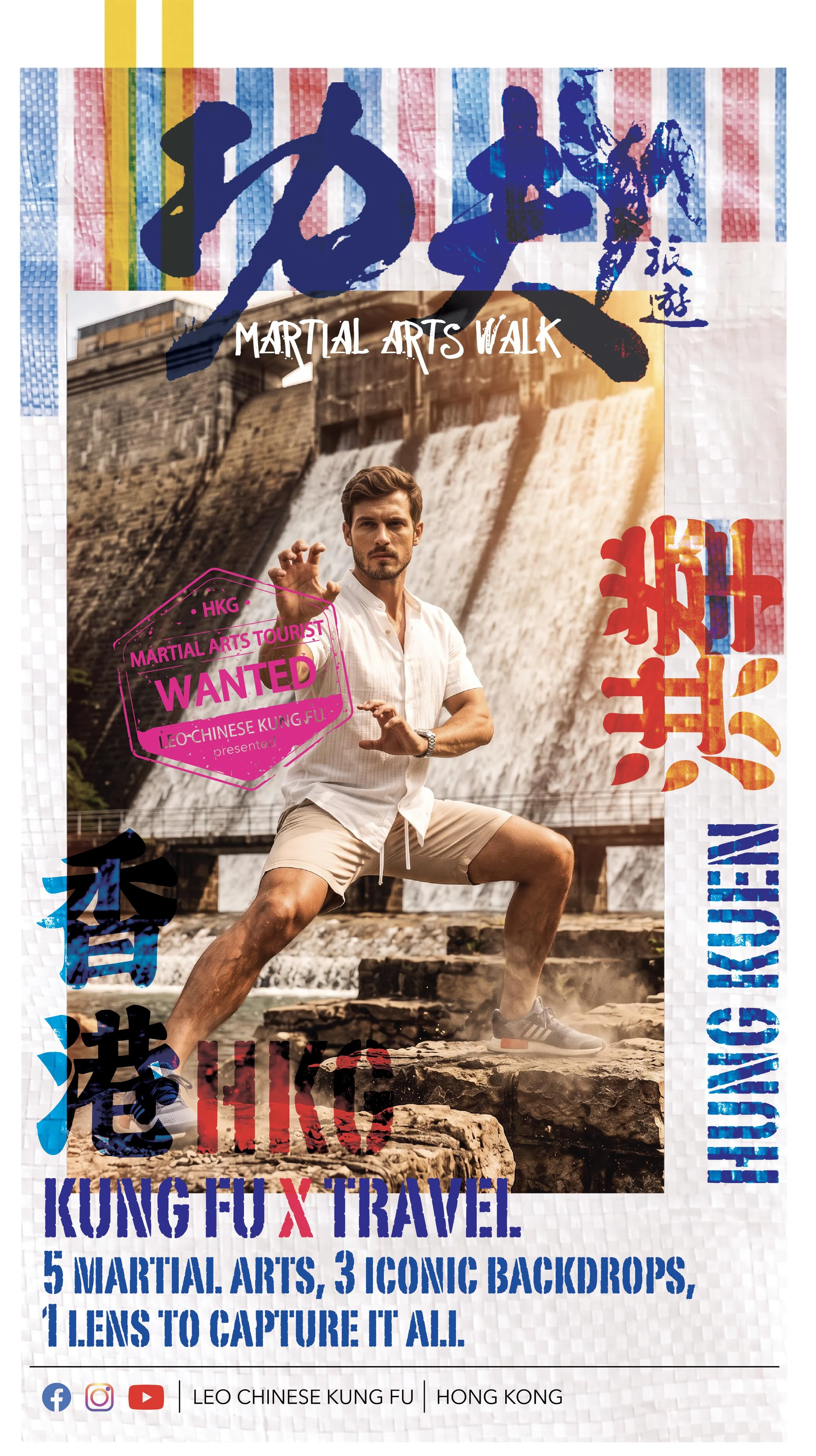
The current package includes a professional filming crew, short-video production for social media and professional video and photo editing. It also includes visits to three Hong Kong locations for filming and photography, plus transportation to those locations. This matters because the project is not only a training timetable. It is also a visual record of the participant’s journey. Master Leo’s documented work in fight choreography gives the filming element a clear context: movement has to be safe, readable and meaningful when it is placed in front of a camera. Walk the landscape. Supplied Kung Fu Travel visual; final filming and photography locations are confirmed with registered participants. The camera still has limits. A short video can show atmosphere, a teacher’s correction or a brief movement phrase. It cannot prove that someone has mastered a style. It cannot turn a demonstration into a substitute for long-term training. The film layer should preserve the experience, not exaggerate the result.
What does the project cost?
The current public offer lists the price at £1,800 per person and limits the group to 6–8 participants. The early-bird price is £1,700 per person when booked by 30 November 2026. The stated payment plan—£480 followed by four monthly instalments of £305—totals £1,700, matching the early-bird price. Confirm the payment schedule that applies to your chosen rate directly before booking. The booking deadline is 30 December 2026. The package includes training with five different Kung Fu masters, hotel accommodation, filming, editing, transport to filming locations and trip coordination. International flights, meals, travel insurance and personal expenses are not included. The remaining balance is due three months before departure, with the exact date linked to the final departure schedule. Read the final terms before making a decision. The current page says the participating masters, day-by-day locations, travel arrangements and terms are confirmed directly with registered participants.
Is a five-style trip right for you?
This format may suit you if you enjoy learning through comparison, can stay open when the training language changes and want the travel story to include both practice and place. It may not suit you if you want a single-style retreat with a fixed technical syllabus, competition preparation in one ruleset or a guaranteed level of personal transformation. Those are different goals and deserve a different format. The best question is not whether five styles sound impressive. It is whether you want to spend a week listening carefully to five different martial-arts perspectives, while accepting that depth takes longer than a trip.
How to join the Hong Kong training trip
The April 2027 project is a limited small-group experience. Read the full Kung Fu Travel offer for the current inclusions, exclusions, payment terms, supplied videos and registration form. The interest form asks about your country, contact details, number of travellers, martial-arts background and reason for joining. That information gives the organisers a starting point for the next conversation. It is not a promise that a particular teacher, location or schedule is already final.
Frequently asked questions
Can I learn five Kung Fu styles in one week?
You can experience introductory sessions and different teaching perspectives in one week. You cannot responsibly claim mastery of five complete systems in seven days. Long-term ability requires sustained practice.
Which styles are included?
The current public offer lists Wing Chun, Hung Gar, Tai Chi, Chinese Wrestling and one secret style revealed on the trip.
Are the five teachers already named?
The public page says participants will train with five different Kung Fu masters, but final participating masters and day-by-day arrangements are confirmed directly with registered participants.
Is the programme only for experienced martial artists?
The public page does not publish a universal skill-level promise. Ask directly about suitability, session intensity, preparation and the expected training background before registering.
Is filming included?
Yes. The current offer includes a professional filming crew, short-video production, professional video and photo editing, three filming/photography locations and transport to those locations.
What is the next step?
Explore the April 2027 Hong Kong Kung Fu Training Trip and register your interest.