Wing Chun · solo practice
Can You Learn Wing Chun by Yourself? What Solo Practice Can and Can’t Do
Solo practice can reinforce some Wing Chun material, but it cannot provide every part of learning. Here is what can be rehearsed alone and where instruction or a partner matters.
What do you mean by “learn Wing Chun”?
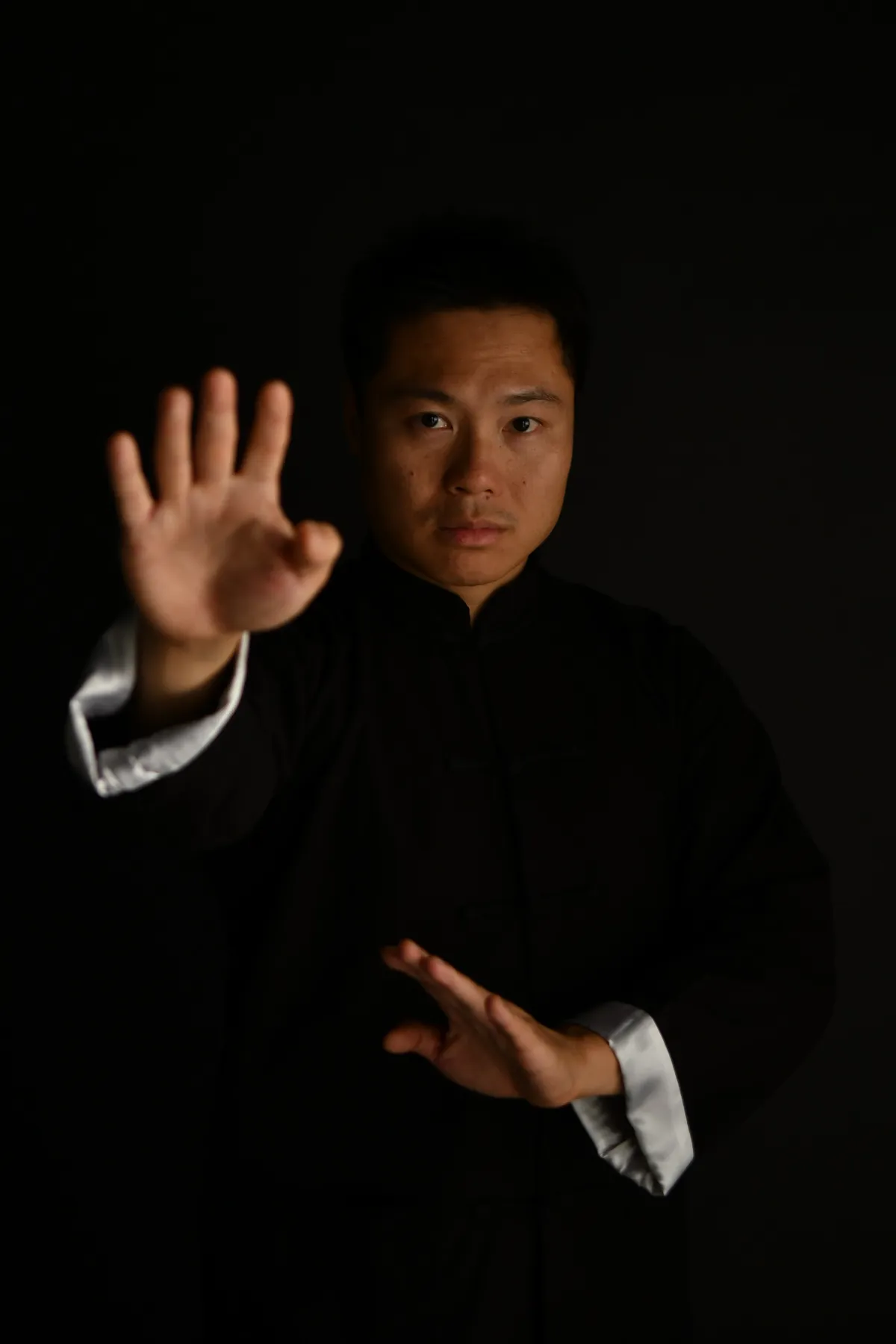
The short answer is qualified: you can rehearse some Wing Chun material by yourself, but solo practice cannot provide the whole learning process. Remembering a form, repeating a stance or reviewing a movement is different from learning how to respond when another person changes the distance, pressure or timing. It helps to separate practice from feedback. A video or book can show a movement; repeated solo work can help you become familiar with it. Neither can feel whether a partner has changed pressure or correct your position by touch. If “learn” means developing both movement and the ability to adapt with other people, some parts necessarily need instruction and partner practice.
What can you rehearse on your own?
Forms, stance, stepping and basic coordination can be revisited alone after a teacher has shown what to practise. The Hong Kong Intangible Cultural Heritage database lists Siu Nim Tau, Chum Kiu and Biu Tze in its entry for Yip Man Wing Chun. The International Wing Chun Academy explains forms as a way to work on elements such as structure and movement within its own teaching context. A useful solo session can be modest: review a short section, repeat a familiar step, notice balance or practise a movement slowly enough to remember its shape. Keep to material you have already been taught. If you are unsure what a movement is for, make a note to ask rather than inventing an application and treating it as tested.
Use online material as a reference, not a teacher
Video can help you hear terminology, see a form from another angle or remind you of a sequence between lessons. It shows only what its camera captures, however. It does not know your training history, notice a small balance change outside the frame or answer a question about how your school teaches a movement. Curricula and terminology vary, so an online demonstration may not match the sequence you are learning. Compare it with the instruction you have received and ask when something differs.
What needs an instructor’s feedback?
An instructor can observe what a student cannot reliably judge from the inside: whether a movement matches the lesson, what to simplify and which exercise should come next. That feedback can be especially useful when a student is new to stance, coordination or a partner drill. The American Orthopaedic Society for Sports Medicine advises direct supervision from an experienced teacher for martial-arts practice generally; its guidance is not a Wing Chun-specific study. A teacher also helps distinguish a rehearsal from an application. If you cannot explain what a movement is meant to explore or how much effort the exercise calls for, pause and ask. Coaching is not only for correcting errors; it helps make the goal and boundaries of a task understandable.
What needs a partner?
Partner work supplies changing information. Another person can alter distance, direction, contact and pressure. Chi Sau, often translated as sticking hands, is a Wing Chun contact exercise in which partners explore changes through touch. A solo drill cannot reproduce the other person’s timing or response, and a stationary object cannot decide how to move. Partner training does not need to begin with hard or unpredictable contact. An instructor can set a manageable task, agree the pace and explain how either person can stop or reset. The purpose is to learn from the exercise, not to see who can force a result. Progression and terminology vary, so use your own teacher’s explanation rather than assuming every school teaches the same sequence.
A sensible way to practise between classes
Choose a small piece of material that your instructor has already approved. Give yourself one clear focus, such as remembering a form section or coordinating a familiar step, and keep the session short enough that you can pay attention. The American Orthopaedic Society for Sports Medicine also recommends warm-ups and appropriate protective equipment for martial-arts practice generally, especially where contact is involved. Do not use home practice to test forceful techniques on another person, improvise sparring or push through pain. If something feels wrong or a movement remains unclear, stop and ask for guidance before repeating it. A notebook of questions can make the next class more useful than an increasingly long list of unsupervised drills.
Solo practice is one part of a learning path
Learning alone can support consistency and help you remember material; it cannot supply a complete Wing Chun education. Forms and movement can be rehearsed, but partner timing, contact and responsive practice need another person. A teacher helps explain the purpose, provide corrections and connect those activities to the school’s progression. The practical question is therefore not whether a student can do anything alone. It is which parts are suitable to repeat alone, what needs feedback and when to return to a class. For current London group-class details, use the official academy page. Private sessions are another route for discussing an individual question; availability and format should be confirmed directly.
From the archive
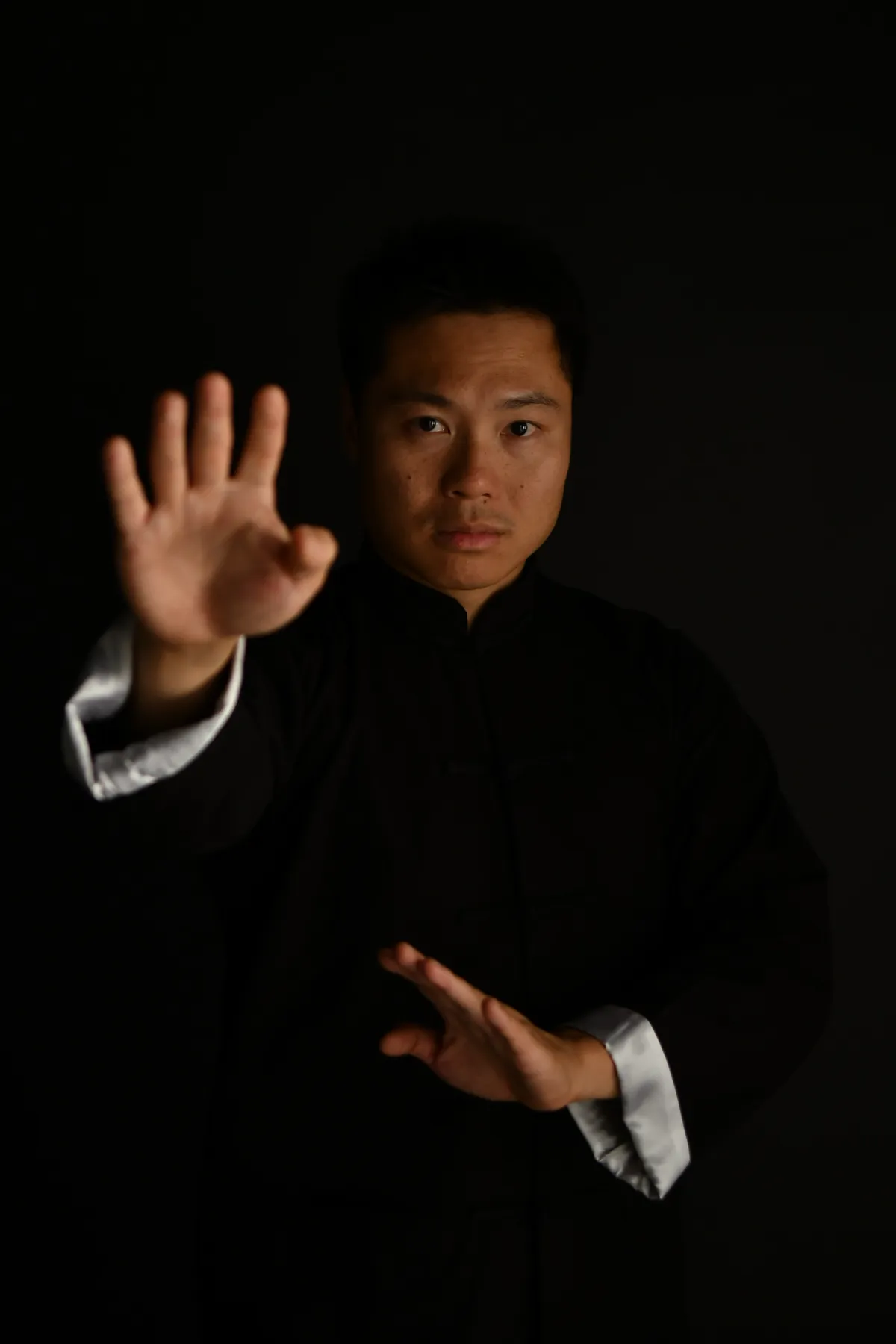
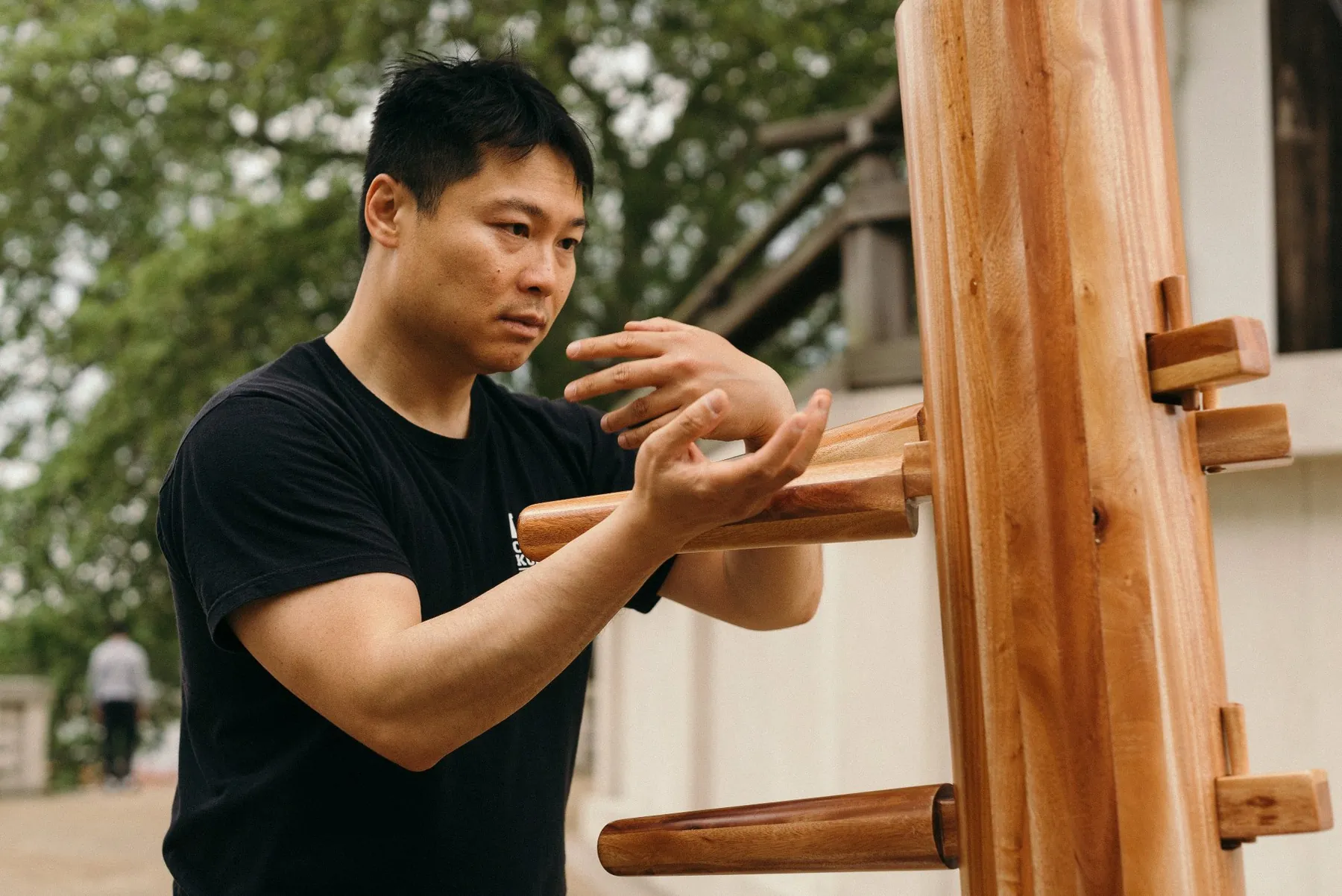
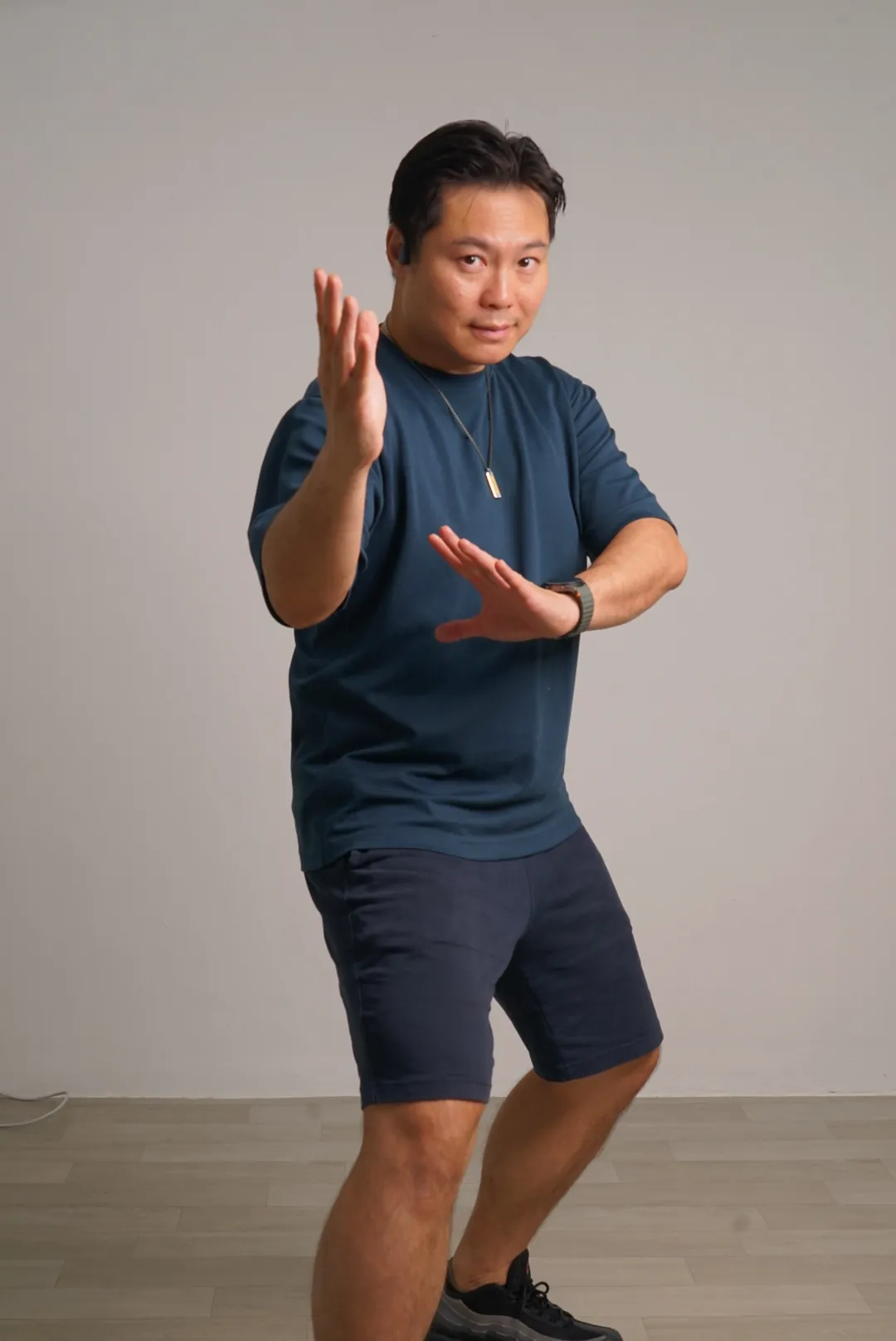
Selected supplied photographs provide context without standing in for the article’s source material.
Frequently asked questions
Can I learn Wing Chun at home?
You can rehearse forms and movements you have already been taught, but home practice alone cannot provide partner timing, changing pressure or hands-on correction.
What Wing Chun exercises can I practise alone?
A teacher may suggest reviewing a form section, stance, stepping or a familiar coordination exercise. Follow that guidance and ask about movements you do not understand.
Do I need a partner to learn Wing Chun?
Some parts can be practised solo, but contact exercises such as Chi Sau and other responsive partner work require another person to supply changing information.
Can online Wing Chun videos replace a class?
Videos can provide context or help you review a movement, but they cannot observe your practice, correct it or adapt the task to your needs.
Can learning Wing Chun alone guarantee self-defence ability?
No. Solo practice cannot guarantee any outcome. Martial-arts training is not a promise of protection in every situation.
Sources used for this guide
- Hong Kong Intangible Cultural Heritage Database — Yip Man Wing Chun
- International Wing Chun Academy — Wing Chun Forms
- International Wing Chun Academy — Chi Sau
- Benjamin Judkins — Chi Sao, Ip Man and the Problem of Dispersed Training in Wing Chun
- American Orthopaedic Society for Sports Medicine — Martial Arts Injuries
- Leo Wing Chun Chinese Kung Fu — Private Sessions